NAME OF PROJECT Postmortem Document TEMPLATE for FILM

This document reviews the film production project. Its purpose is to facilitate collective learning by analyzing the pre-production, production, and post-production processes, celebrating successes, and identifying key areas for improvement in future projects.

Field Detail
Project Title: [Insert Film Title Here]
Production Team: [List All Team Members]
Production Duration: [e.g., 4 weeks pre-pro, 3 days shooting, 2 weeks post-pro]
Equipment/Software Used: [e.g., DSLR Camera, DaVinci Resolve, Boom Mic]
Date Completed: [Date]

I. Team and Production Analysis

This section examines the structure, communication, and performance of the production team, with a focus on the five core roles.

A. Roles and Responsibilities

Team Member Primary Role Key Responsibilities and Deliverables
[Name] Director [e.g., Final creative vision, Actor performance, Master shot list]
[Name] Screenwriter [e.g., Final script, Dialogue clarity, Scene structure/pacing]
[Name] Cinematographer [e.g., Lighting design, Camera movement, Frame composition]
[Name] Sound Designer [e.g., Location sound recording, Sound effects (Foley), Mix balance]
[Name] Editor [e.g., Assembly cut, Pacing/Rhythm, Color correction/grading]

B. Collaboration and Handoff Effectiveness

Reflect on how the team worked together across the entire production cycle.

Communication: 

How did the Director communicate the vision to the Cinematographer and Screenwriter? 


What tools (e.g., group chat, storyboards) were used? 


What communication style worked well, and what was missing during intense production moments?


Pre-Production Handoff (Script to Shoot): 

How smoothly did the final script translate into the shot list and storyboards?


Did the Cinematographer feel they had enough time and detail from the Screenwriter and Director to prepare?


Production Handoff (Set to Post-Production): 

How organized were the camera files (dailies) and sound files when they were given to the Editor and Sound Designer? 


Highlight any issues with missing metadata (e.g., scene numbers, good takes).


C. Individual/Team Lessons Learned

Identify specific, actionable takeaways about the process of filmmaking.


Scheduling & Time Estimation (Production): 

Which scenes or setups took significantly longer than expected (e.g., complex lighting, actor blocking)? 


Which took less time? 


What changes should the team make to its shooting schedule next time? (e.g., “We must double the estimate for all close-up setups.”)


Skills Development:

What new technical skills did individuals learn (e.g., pulling focus, complex three-point lighting, advanced editing shortcuts)?


General Takeaways: 

What advice would you give a new film crew starting this project? (e.g., “Always have extra batteries,” “Do a full sound check before every take.”)


II. Film Analysis & Review

This section reviews the final product against the initial design vision, broken down by department.

A. Project Goals vs. Final Outcome

List the major goals set at the beginning of the project and assess their completion status.

Goal (e.g., 3-minute run time, use of dolly shot, single location) Status (Achieved/Partial/Failed) Rationale/Explanation
Overall Assessment of Scope: [Was the initial scope too ambitious, too simple, or just right? What percentage of the initial vision (script/shot list) was completed in the final cut?]

B. What Went Right (Successes)

Identify the most successful elements of the project—the things that should be repeated in the future.

Role Success Element Why it Worked
Screenwriter [e.g., The dialogue felt natural; the plot twist was effective.] [e.g., We read the lines out loud before finalizing; the outline was strong.]
Cinematographer [e.g., The low-key lighting in the climax was powerful; the handheld camera felt motivated.] [e.g., Excellent gaffer support; practiced the camera movement several times.]
Director [e.g., The actor performances were convincing; the emotional tone was consistent.] [e.g., Thorough rehearsal process; the Director had a clear, single vision.]
Sound Designer [e.g., The location audio was clean; the music transitions were seamless.] [e.g., Used professional external recorder; paid close attention to room tone.]
Editor [e.g., The film’s overall pace felt tight; the color grade matched the mood.] [e.g., Good shot coverage allowed for choices; set up the project folder cleanly.]

C. What Went Wrong (Challenges)

Analyze the major problems and roadblocks encountered during development.

Screenplay Issues: 

Did any scene not work on set because the dialogue was too long or the location was impractical as written? 


Explain the necessary on-set rewrite or cuts.


Cinematography/Technical Issues:

Describe the hardest technical problem (e.g., light flicker, focus hunting, bad white balance).


Why was it difficult to solve? How did it impact the final look?


Sound Design Issues (Production & Post): 

Describe the single biggest sound problem (e.g., traffic noise ruined a take, microphone placement was visible, final mix felt empty).


How much time was lost fixing it in post-production?


Editing/Post-Production Flow: 

Did poor organization of footage or sound assets cause delays? 


Did the Director or Screenwriter change their mind late in the process, requiring extensive re-editing? 


Explain the impact.


III. Key Takeaways and Future Best Practices

Provide actionable advice for the next film project, focusing on the best practices learned.

Focus Area Future Best Practice (Specific Actionable Advice)
Screenwriter [e.g., “Write with specific locations in mind,” “Never exceed 25 words of dialogue per shot.”]
Director [e.g., “Always get two different takes for every scene—one fast, one slow,” “Block actors before setting any lights.”]
Cinematographer [e.g., “Take a reference photo of the lighting setup before striking a set,” “Use an exposure meter for every key light.”]
Sound Designer [e.g., “Always record 30 seconds of clean room tone for every location,” “Monitor audio with headphones at all times during takes.”]
Editor [e.g., “Never start the assembly cut until all dailies are correctly labeled and organized,” “Get feedback on the first 1-minute cut within 48 hours.”]


NAME OF PROJECT Postmortem Document TEMPLATE for ROCK

This document is a formal review of our recent performance project. Its purpose is to facilitate collective learning by analyzing the process, celebrating successes, and identifying key areas for improvement in future performances.

  • Project Title: [Insert Song Title Here] 
  • Band/Group Name: [e.g., The Tantrums, Band 2, etc.] 
  • Project Duration: [e.g., 3 weeks] 
  • Performance Date: [Date]

I. Band Analysis and Collaboration

This section analyzes the structure, communication, and performance of the band.

Roles and Responsibilities

Team Member Primary Role Key Responsibilities
[Name] Drums Setting the tempo, maintaining feel, and arranging rhythmic hits.
[Name] Bass Locking in with the drummer, creating melodic foundation/grooves.
[Name] Guitar Rhythm/Lead parts, tone shaping (pedals/amp settings).
[Name] Keyboards Harmony/Pad textures, specific solo or hook parts.
[Name] Vocals Melody execution, stage presence, clear lyrical delivery.

Collaboration Effectiveness

Reflect on how the team worked together across the project timeline.

Communication: 

How often did the band communicate about the song parts outside of class? 


What tools (e.g., shared sheet music, recordings, chat) were used? 


What worked well (e.g., clear section leaders), and what was missing (e.g., not enough feedback on volume balance)?


Conflict Resolution (Creative Differences): 

Describe any disagreements or creative differences that arose (e.g., tempo choice, solo section, instrumental arrangement). 


How were they resolved, and was the final process effective for everyone?


Task Integration (Arrangement Flow):

How smoothly did the individual parts fit together during rehearsal? 


What challenges arose when one person’s part depended on another’s (e.g., the guitarist needed the bassist to change their rhythm)? 


Highlight any issues with learning parts before rehearsals.

Individual/Team Lessons Learned

Identify specific, actionable takeaways about the rehearsal process.

Time Estimation & Rehearsal Efficiency: 

Which parts of the song (e.g., the bridge, the drum solo, the vocal harmony) took significantly longer to perfect than expected? 


What changes should the band make to its warm-ups or time management next time? (e.g., “We must spend the first 15 minutes checking everyone’s tone/levels.”)


Skills Development: 

What new musical skills did individuals learn (e.g., advanced strumming pattern, better microphone technique, using a new keyboard patch)?


General Takeaways: 

What advice would you give a new band starting this project? (e.g., “Define the instrumental dynamics first,” “Record yourself every practice.”)

II. Performance Analysis & Review

This section reviews the final performance against the initial musical goals.

Project Goals vs. Final Outcome

List the major goals set at the beginning of the project and assess their completion.

Goal (e.g., Maintain consistent tempo, Execute the Guitar Solo perfectly, Nail the dynamics) Status (Achieved/Partial/Failed) Explanation


Overall Assessment of Arrangement Scope: [Was the song too complex for the time we had? What percentage of the initial vision (e.g., adding backup vocals, creating an outro) was completed?]

What Went Right (Successes)

Identify the most successful elements of the performance—the things that should be repeated in the future.

Core Musicality / Feel: 

What specific section (e.g., the second verse, the final chorus) felt the most tight, energetic, or musically solid? 


Why did it work? (e.g., The drummer and bassist were perfectly “locked in.”)


Tone, Dynamics, or Stage Presence: 

Which visual or auditory elements looked/sounded professional (e.g., the guitarist’s clean tone, the lead vocalist’s confidence, the band’s use of dynamics)? 


Why was this area successful?


Specific Technical Achievements: 

Did the band successfully execute a complex musical passage or fix a major mid-performance mistake seamlessly? 


Describe it briefly.

What Went Wrong (Challenges)

Analyze the major problems and roadblocks encountered during the rehearsal and performance.

Scope Creep or Arrangement Flaws: 

Did the song arrangement get too complex? 


Did a core musical idea not work out once we played it live? 


Explain the impact (e.g., it felt rushed, it confused the audience) and what content was cut or simplified.


Technical Issues (Gear/Sound): 

Describe the single hardest gear issue or sound problem (e.g., microphone feedback, a specific patch stopped working, unable to hear the click track). 


How much time was lost fixing it?


Part Consistency Issues: 

Did missing or poorly organized parts cause confusion or errors during the live performance (e.g., the backing vocalist forgot the entrance, the guitarist misread the chart)?

Key Design Takeaways

Provide advice for the next band project, based on what went well.

Focus Area Future Best Practice (Specific Actionable Advice)
Arrangement [e.g., “Always define the tempo and dynamics before writing individual parts,”]
Rehearsal [e.g., “Use a metronome for all rehearsals,” ]
Performance/Gear [e.g., “Always check instrument levels with the soundboard operator before the show,”]


NAME OF PROJECT Postmortem Document TEMPLATE for GAME

  • TITLE THIS BLOG POST: [NAME OF PROJECT] Postmortem Document
  • PLACE A CREATIVE COMMONS IMAGE RELATED TO THE PROJECT
  • FOLLOW THE DIRECTIONS IN THE POST
  • REVIEW THIS POST EXAMPLE:
    • Coming Soon
  • DELETE ANY TEXT THAT HAS THESE BRACKETS [stuff inside these brackets]

This document is a formal review of the game development project. Its purpose is to facilitate collective learning by analyzing the process, celebrating successes, and identifying key areas for improvement in future projects.

Project Title: [Insert Game Title Here]
Development Team: [List All Team Members]
Development Duration: [e.g., 6 weeks, 40 hours]
Engine/Software Used: [e.g., Unity, Godot, Construct]
Date Completed:

I. Team Analysis

This section analyzes the structure, communication, and performance of the development team.

Roles and Responsibilities

Team Member Primary Role (e.g., Lead Programmer, Artist) Key Responsibilities
[Name]
[Name]
[Name]
[Name]

Collaboration Effectiveness

Reflect on how the team worked together across the entire development cycle.

Communication:
How often did the team communicate? 


What tools (e.g., chat, in-person) were used? 


What worked well, and what was missing?


Conflict Resolution:
Describe any disagreements or creative differences that arose. 


How were they resolved, and was that process effective?


Task Integration:
How smoothly did assets (art, sound) and code merge together? 


What challenges arose when one person’s work depended on another’s? 


Highlight any issues with version control.


Individual/Team Lessons Learned

Identify specific, actionable takeaways about the process of making the game.

Project Management & Time Estimation:
Which tasks took significantly longer than expected? 


Which took less time? 


What changes should the team make to its scheduling/timeline next time? (e.g., “We must double our estimate for UI polish.”)


Skills Development:
What new technical skills did individuals learn (e.g., advanced scripting, animation techniques)


General Teamwork Takeaways:
What advice would you give a new team starting this project? (e.g., “Define the core mechanic first,” “Don’t ignore documentation.”)


II. Game Analysis & Review

This section reviews the final product against the initial design vision.

Project Goals vs. Final Outcome

List the major goals set at the beginning of the project and assess their completion status.

Goal (e.g., 3 levels, 2 enemy types, unique mechanic) Status (Achieved/Partial/Failed) Rationale/Explanation
Overall Assessment of Scope: [Was the initial scope too large, too small, or just right? What percentage of the initial vision was completed?]

What Went Right (Successes)

Identify the most successful elements of the project—the things that should be repeated in the future.

Core Mechanic / Gameplay:
What specific game element or mechanic feels the most fun, polished, or unique? 


Why did it work?


Art, Sound, or UI/UX:
[Which visual or auditory elements look/sound professional?


Why was this area successful (e.g., good planning, strong individual skill)?


Specific Technical Achievements:
[Did the team successfully implement a complex piece of code or fix a difficult bug?


Describe it briefly.

What Went Wrong (Challenges)

Analyze the major problems and roadblocks encountered during development.

Scope Creep or Design Flaws:
Did the project get too big? 


Did a core design idea not work out once implemented? 


Explain the impact and how much content was cut.


Technical Issues:
Describe the single hardest bug or technical problem. 


Why was it so difficult to solve? How much time was lost?


Asset Pipeline Issues:
Did missing or poorly organized assets (art files, sound files) cause delays or confusion?


Key Design Takeaways

Provide actionable advice for the next development project, focusing on best practices learned here.

Focus Area Future Best Practice (Specific Actionable Advice)
Design [e.g., “Always prototype paper levels first,” “Only design features that can be completed in the first 50% of the project time.”]
Programming [e.g., “Comment all code clearly,” “Use a separate branch for testing new features before merging to the main build.”]
Art & Production [e.g., “Establish a mandatory asset naming standard on Day 1,” “Minimize the resolution of non-critical textures for better performance.”]


Session 5 Week 7 Production Weekly Work Log

FOLLOW THESE DIRECTIONS – THEN DELETE THEM!

  • REMINDER: This assignment cannot be made up, as it assesses punctuality, or being on time, and regular, detailed documentation, which is essential in the world of work
  • Title the post properly: Session # Week # Production Weekly Work Log
  • Publish the post right away; this starts the autosave feature
  • On Monday, write your clear, specific, MEASURABLE, realistic goal related to  a BEST PRACTICE and your main PRODUCTION ROLE, which includes specific technical and creative best practice elements, not workflow elements, like ‘finish the to-do list’:
  • On Friday, copy and paste your whole post into Grammarly’s online system to check grammar
  • Watch Mr. Le Duc’s Grammarly and Edublogs video tutorial
  • REVIEW THESE POST EXAMPLES:
    • Coming soon…
Session Number: 5
Week Number: 7
Week Goal: (a clear, specific,
MEASURABLE,
realistic goal
related to a BEST PRACTICE
and to your main PRODUCTION ROLE)
Write goal here…

Weekly Work Summary

Tasks Completed This Week:

Explain the work you completed…

Best Practice(s) Demonstrated:

Name the best practice(s) from the BEST PRACTICES list. Describe specifically how you demonstrated each one.

Summarize the work you completed this week in relation to your goal. Describe the best practices you demonstrated, and explain how your choices reflected those practices. Be specific about what you made, built, recorded, edited, or designed.

DELETE MR. LE DUC’S INSTRUCTIONS AFTER COMPLETING THEM

Personal Reflection on the Week

Did you achieve your weekly goal?

Your answer goes here…

What was the biggest issue or problem you faced this week?

Your answer goes here…

How did you overcome this issue or problem?

Your answer goes here…

Remember, reflecting on your work sharpens problem-solving skills and deepens understanding by encouraging thoughtful review, which boosts retention and streamlines your workflow for a stronger, more focused week ahead.

DELETE MR. LE DUC’S INSTRUCTIONS AFTER COMPLETING THEM

Evidence of Weekly Goal

Whether you achieved your weekly goal or not, place evidence here of what was accomplished FOR YOUR ROLE. Embed evidence, or link to a publicly shared file in your Google Drive. This evidence can be a screenshot, an audio file, a video clip, a picture of paperwork, etc.

Write at least one sentence explaining your evidence.

DELETE MR. LE DUC’S INSTRUCTIONS AFTER COMPLETING THEM

Most Proud of…

Explain in complete sentences what you are most proud of after completing this week’s work. BE SPECIFIC.

DELETE MR. LE DUC’S INSTRUCTIONS AFTER COMPLETING THEM

Rubric

Weekly Work Log Journal Blog Post Rubric

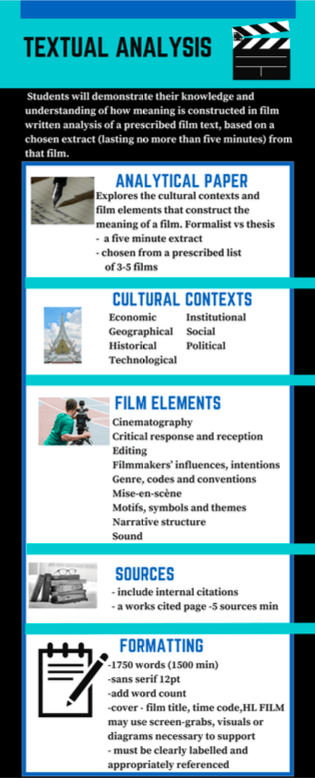
IB Text Analysis Worksheet: TEMPLATE

  • TITLE THIS BLOG POST: IB Text Analysis: NAME OF FILM
  • DELETE ALL OF MR. LE DUC’s ALL UPPERCASE INSTRUCTIONS

Guidance for Your Work

The TA is an exam. Failure to turn in the work within the 4 weeks, unless the teacher requests extenuating circumstances directly from the IB, should be considered a fail.” – IB Film

Summary

A guide to planning, researching, and creating your IB Film Text Analysis

  • Follow the directions for each step below
  • Include for your notes, where required

(Pick ONLY One for your TA)

Past Sample Student Work

Pan’s Labyrinth

13.5 Hours To Complete

  • Please track how long it took you for each stage

Step 1 – Preparation: Spend 2 Hours

Total Time:

Date Complete: 

Step 2 – Pick a Film, Watch It, and Write Notes: Spend 4.5 Hours

Total Time:

Date Complete: 

The goal of IB Film is to expose students to films from all over the world and to increase their critical and practical understanding of film as a creative art form and reflection of its time period, society, and political and cultural environment. As a result, this class requires the viewing of a wide variety of films. In some cases, these films may carry an R rating, or, in the case of films made before 1968 and some foreign films, will have no rating at all. Please be assured that all the films selected for this course have a high degree of artistic merit and that many have won numerous awards and are considered part of the film canon. However, if you object to any film shown that does carry an “R” rating, you will always have the opportunity to request that an alternative film be assigned, and/or be excused from class and not view the film.

  1. Watch the trailers and pick ONE of these films  (10 minutes)
  2. Review Drew’s TA Guide Sheet (he scored very high!) (10 minutes)
  3. First Viewing: Watch the film and record your reactions (2 hours)
    • Take notes (below in this post)
      • How does the film (various scenes) affect you?
      • Remember every scene is like a mini-movie
      • Pay attention to which scene best represents the film, for you
  4. Second Viewing: Notice the cinematography, mise en scene, actor movement, wardrobe, sound (diegetic, non-diegetic, music, etc.) choices (2 hours)
    • Review the Big List of Film Terms for cinematic elements, mise en scene (what’s represented on screen), and sound
    • Write notes (below in this post)

Step 3 – Choose Your Extract, Watch It, Write Notes, and Research: 2.5 hours

Total Time:

Date Complete: 

  1. Open your TA Bibliography Google Doc (In Your IB Google Drive Folder – Mr. Le Duc created)
    • You will add your MLA sources as you research
  2. Choose your 5-minute extract (scene)
  3. Re-watch this scene numerous times and write notes in the Task Analysis Guide (below) (15 minutes)
  4. Research to support your notes (1 hour)
      • Cultural context Evidence: Textual analysis and sources
        • Answer these questions:
          • To what extent do you demonstrate an understanding of the cultural context of the film text?
          • To what extent do you support your understanding of the cultural context with research from appropriate and relevant sources?
    • Add to your notes in the Task Analysis Guide
  5. Re-watch your scene numerous times and add to your notes (15 minutes)
  6. Research to support your notes (1 hour)
    • Re-read Criterion B Film Elements Rubric
      • Evidence: Textual analysis and sources
        • To what extent do you evaluate how the extract makes use of film elements to convey meaning in the chosen film?
        • To what extent do you support your observations with the appropriate use of relevant film vocabulary?
    • Write notes (below in this post)

Step 4 – Compose A Rough Draft within the Text Analysis Guide below: 2 hours

Total Time:

Due June 9 before class (Mr. Le Duc will look over your progress in class)

Date Complete: 

  1. Watch Mr. Le Duc’s Convert a Table into Text with Editpad.org tutorial and do the following: (5 minutes)
    1. Copy and paste the two columns of your Text Analysis Guide notes (below) into editpad.org
      • This will convert your two-column table layout into a regular text document
    2. Copy and paste from editpad.org into your Google Docs TA Paper Template
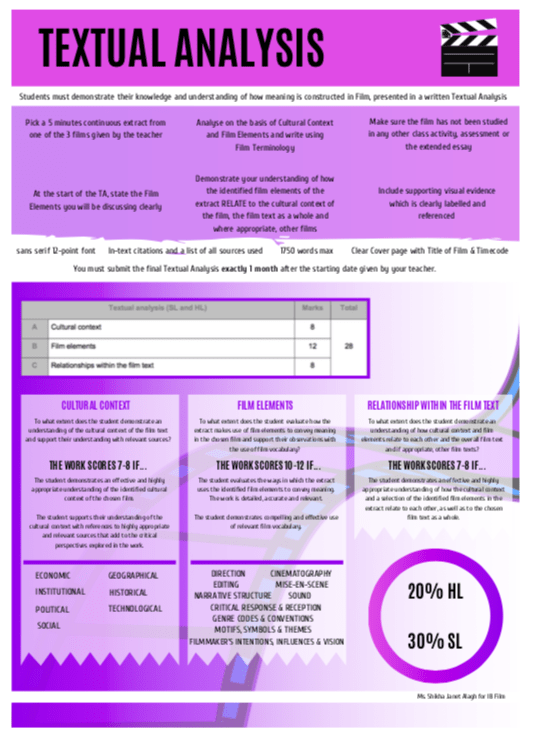
  2. Thoroughly re-read and examine your work with the Text Analysis Rubric (PDF) (10 minutes)
  3. Compose your rough draft (1.75 hours)
    • Weave in your research the following
    • WHAT: Your observation about a film element in the 5-minute scene
    • WHY: Relate the film element to the shot or scene’s emotional or narrative importance
    • HOW: Explain how the film element works in the context of this scene
    • SO WHAT: Justify it with the cultural context, as needed

Text Analysis Guide (For your 5 Minute Scene)

TASK COMPONENTS (INQUIRY)

NOTES

WRITE NOTES IN THIS COLUMN

The extract may be up to five minutes in length and must be a single, continuous sequence of the film
Time of 5-minute clip PLACE 5-MINUTE TIME INTERVAL HERE…

PART 1 –  The film, your scene, why it is of interest, and how your scene relates to the whole film.

Brief Summary of Exposition

Writer, Director, Producer, studio, year released Main characters, conflict, identify the genre. Identify the aspect ratio.

Context of Extract in Film – briefly describe the scene

At what times does your scene occur, how it begins, and how it ends. Do not describe it further. The judges have seen the movie.

The Rationale for Selection – relation to the entire movie

Why is it interesting and why does this scene best illustrate the themes of the whole movie?

PART 2 – Remember to integrate the Director’s intent with each of the following areas in this section

Narrative

Script – Not just dialogue but in terms of being the spine of the story

Explain how this scene advances the plot. How do the events of this scene clarify/complicate matters? How does this scene affect/cause future events? What new information is revealed or suggested about a character? Is there anything deliberately withheld? Is anything unusual in the dialogue? Word choice? Delivery? Accents? Repetition?

Cinema Photography

a) Camerawork – describe shots in specific terms

Shot size: ELS, LS (stage), full shot, MS, CU, ECU. Camera angles: bird’s eye, high angle, eye level, low angle or Dutch (oblique), camera movement: pan, tilt, dolly or tracking, handheld, Steadycam, or moving crane. Invisible V conspicuous. Are tracking shots motivated by character movement?

b) Composition

Open/closed composition, aspect ratio, rule of thirds, Kubrick single-point perspective.

c) Depth of Field

Consider foreground, mid, ground, and background. Deep focus is associated with wide-angle lenses. Could be flat. Narrow ranges of focus may be the result of telephoto lenses.

Mise-en-scene – The overall look and feel of a movie

a) Position of characters and objects

Identify the dominant, does movement guide our focus, character proxemics patterns (intimate,  personal, social, and public distances). How does the director add meaning to these choices? Is one character encroaching on another’s space? Watch for space being used to portray relationships/changes in relationships. Watch for windows, doors, and parallel lines that frame people or objects.  Entrapment. Look for actor placement. Front – actor facing camera, greatest intimacy. One-Quarter Turn – very popular. Profile – character lost in the moment, a bit more distant than the previous two. Three-Quarters Turn – useful to convey anti, socialness, Back of Head, most anonymous shot.  Creates a mystery or feeling of alienation.

b) Lighting

Low or high key. How does the director use light to focus our attention? The Key light, fill light, and backlighting. What is the source of lighting in the context of the scene?

c) Color scheme

How does the director use color and what is the director’s intent for doing so? Look for color symbolism or color associated with characters. Color to suggest a mood. Color as foreshadowing. Contrasting colors ( the monolith v white room)

d) Set/location/props

Set design. Studio or on, location, describe props, scenery, what was the Director ́s intent for using them? How dense is visual information? Stark, moderate, or highly detailed?

e) Costume, hair, make up

Period, class, gender (emphasize or diminish), age-appropriate, silhouette (close-fitting or baggy), fabric (plain, sheer, rough, delicate), accessories. Color is very important in relation to character.

f) Acting/body language

Acting style, body language, blocking, period, or contemporary. Individualized (Joker), Stylization. Look for subtext (the character says one thing but means something else). Consider typecasting as a shortcut to characterization.

Sound – watch scene w/o picture

Live sound, sound effects, and music. Sound can be diegetic, meaning characters would hear it, or non, diegetic, meaning that characters would not hear it, such as narration or music over the credits. Explore the relationship between diegetic and non, diegetic sound when appropriate.

Music

Is the music telling you what to feel?  Music can be used as a counterpoint to the action.

Editing

Ellipsis (time compression) and cross-cutting, fades, dissolves (fades between scenes), wipes,  matching cuts, straight cuts, dialogue overlap, and sound bridges. Consider how long each shot lasts.

Part 3: Analyzing the Film as a Product

Sociocultural Context

In what way was this movie a product of its time? What does the audience learn about the culture or historical context of the film?

Target Audience

Teens/adults or male/female age group, college education art crowd, liberal, conservative, Christian

Generic Expectations

http://www.filmsite.org/filmgenres.html Also research  http://tvtropes.org/pmwiki/pmwiki.php/Main/Tropes

Themes

Man V Man, or one of the others, is this film an allegory?

Motifs/Symbols

What specific devices support your definition of the theme? Look for recurring elements.

Film Criticism

Both contemporary and current. Use brief quotes from two different sources. Record the details:  reviewers’ names and publication names/dates

TASK COMPONENTS (ACTION)

Compose Paper

Part 4: Sources

Source 1
Source 2
Source 3
Source 4
Source 5
Source 6
Source 7
Source 8
Source 9
Source 10

TASK COMPONENTS (REFLECTION)

Revision 1 Proofreader:
Revision 2 Proofreader:
Revision 3 Mr. Le Duc

Step 5 – Get Draft Peer Reviewed: 30 Minutes

Total Time:

Due June 12 before class (we will be peer reviewing in class)

Date Complete: 

  1. Get it peer-reviewed with the TA Worksheet (PDF) (30 minutes)
    • Peer Reviewer: Look for evidence of each section of the document
    • Look for WHAT, WHY, and HOW for each statement in the paper
      • There should be at least one WHY or HOW or every WHAT statement
    • Look for cited research to support statements, where it makes sense
    • Write comments to help the author
      • Add them as “Add Comments” on the side, so you do not add to the word count of the document

Step 6 – Revise: 1 Hour

Total Time:

Date Complete: 

  1. Revise your draft (1 hour)

Step 7 – Get Feedback from Mr. Le Duc and Revise: 30 Minutes

Total Time:

Due June 13 before class (Mr. Le Duc will have feedback by June 16)

Date Complete: 

  1. Get feedback from Mr. Le Duc
  2. Make final revisions and check format (30 Minutes)

Step 8 – Finalize Paper: 15 Minutes

Total Time:

Date Complete: 

  1. Clear Title of the Film & Timecode (5-minute film extract)
  2. Sans serif 12 point font
  3. In-text citations
  4. Less than 1,750 words maximum

Step 9 – Finalize Bibliography and Check Format: 15 Minutes

Total Time:

Date Complete: 

  1. Update your TA Bibliography Google Doc (In Your IB Google Drive Folder)
    • Finish and check the format of your MLA sources as you research

Step 10 – Upload to Turnitin.com: 10 Minutes

Total Time:

Due June 20 before midnight

Date Complete: 

  1. Upload your TA paper (from Your IB Google Drive Folder)
  2. Upload your TA Bibliography Google Doc (from Your IB Google Drive Folder)

External Assessment Criteria SL and HL

Peer Review Checklist

Song Analysis Worksheet: TEMPLATE

Summary

  • IN ONE TO TWO SENTENCES, DESCRIBE WHAT SONG YOU ANALYZED FOR THIS PROJECT AND WHY YOU CHOSE IT
  • DELETE ALL OF MR. LE DUC’s ALL UPPERCASE INSTRUCTIONS ABOVE

Song Analysis

TOPIC MY RESPONSES
SONG TITLE PLACE YOUR RESPONSES IN THIS COLUMN (DELETE THIS MESSAGE BEFORE YOU WRITE)
COMPOSER(S)
YEAR
COUNTRY
If you could work on this song (change it), what would you change and why?
What is the song GENRE?
What is the song KEY?
What is the song TEMPO?
What do you like about the RHYTHM?
What do you like about the ARRANGEMENT?
What do you like about the MIX?
What do you like about the TIMBRE of some or all of the instruments?
What do you like about the PITCH of some or all of the instruments or vocals?
Are there particular TRACK(S) that stand out?
Finally, what do you like about the overall COMPOSITION?

“A song is a musical composition intended to be performed by the human voice. This is often done at distinct and fixed pitches (melodies) using patterns of sound and silence. Songs contain various forms, such as those including the repetition and variation of sections.” wikipedia.org/wiki/Song

HookTheory for Learning About Song Structure

Holistic Songwriting’s Artist Analysis

  • This YouTube series dives into the songwriting web.
  • Marketing, Lighting, Music Videos, Image…

Mr. Le Duc’s Song Analysis Resources

Game Analysis Worksheet: TEMPLATE

Summary

  • IN ONE TO TWO SENTENCES, DESCRIBE WHAT GAME YOU ANALYZED FOR THIS PROJECT AND WHY YOU CHOSE IT
  • DELETE ALL OF MR. LE DUC’s ALL UPPERCASE INSTRUCTIONS ABOVE

Game Play Analysis

Formal Elements

The Basics

REMINDER: PLACE YOUR RESPONSES IN THIS COLUMN (DELETE THIS MESSAGE BEFORE YOU WRITE)

Name of the game
The platform
Time played (should be at least 30 minutes)
If you could work on this game (change it), what would you change and why?

Players

NOTES
How many players are supported?
Does it need to be an exact number?
How does this affect play?
Some types of player frameworks:

  • Single Player – like Solitare.
  • Head-to-head – 1 vs. 1, Chess.
  • PvE – Player vs. Environment, or multiple players vs. the game. Common in MMOs like World of Warcraft.
  • One against Many – Single-player vs. multiple (obvy).
  • Free-for-all – Every man for himself (1 vs. 1 vs. 1 vs. 1..). Most common for multiplayer games, from Monopoly to Modern Warfare.
  • Individuals Against the System – Like Blackjack, where the Dealer is playing against multiple players, but those players have no effect on each other.
  • Team Competition – Multiple vs. multiple, i.e. sports.
  • Predator-prey – Players form a circle and everyone’s goal is to attack the player on their left and defend themselves from the player on their right.
  • Five-pointed Star – Eliminate both players who are not on either side of you.

Objectives/Goals

NOTES
What are the players trying to do?
Some common objectives include:

  • Capture/Destroy – Eliminate all your opponents pieces (Chess).
  • Territorial Acquisition – Control as much territory as you can, not necessarily harming other players (RISK).
  • Collection – Collect a certain number of objects throughout the game (Pokemon).
  • Solve – Solve a puzzle or crime (Clue).
  • Chase/race/escape – Anything where you are running towards or away from something (playground game Tag).
  • Spatial Alignment – Anything involving the positioning of elements (Tetris or Tic-Tac-Toe or that game at Cracker Barrel).
  • Build – Advance your characters or build your resources to a certain point (The Sims).
  • Negation of another goal – The game ends if you perform an act that is forbidden by the rules (Jenga or Twister).

Rules/Mechanics

There are three categories of (what the book Rules of Play calls) operational rules:

  • Setup – the things you do at the beginning of a game.
  • Progression of Play – what happens during the game.
  • Resolution – How an outcome is determined based on the game state.

Controls

NOTES
What controls are used?
Was there a clear introductory tutorial?
Were they easy to understand or did you find yourself spamming the controller?

Resources & Resource Management

NOTES
What kinds of resources do players control?
How are they maintained during play?
What is their role?
A resource is everything under the control of a single player. Could be the money in Monopoly or health in WoW. Other examples are:

  • Territory in RISK The number of questions remaining in 20 Questions Objects picked up during videogames (guns, health packs, etc.)
  • Time (game time, real-time, or both)
  • Known information (like suspects in Clue)

Game State

NOTES
How much information in the game state is visible to the player?
A snapshot of the game at a single point is the game state. The resources you have, the un-owned properties in Monopoly, your opponent’s Archery skill all count towards the game state. Some example information structures are:

  • Total Information – Nothing is hidden, like Chess.
  • Info per player – Your hand of cards is only visible to you.
  • One player has privileged info – Like a Dungeon Master.
  • The game hides info from all players – Like Clue, where no one knows the victory condition.
  • Fog of War – In video games, where certain sections of the map are concealed if you do not have a unit in sight range of that area. You also cannot see other players’ screens, so each player is unaware of the other’s information.

Sequencing

NOTES
In what order do players take their actions?
How does play flow from one action to another?
Some structures include:

  • Turn-based – Standard board game technique.
  • Turn-based with simultaneous play – where everyone takes their turn at the same time (like writing something down or putting a card down in War).
  • Real-time – Actions happen as fast as players can make them. Action-based video games.
  • Turn-based and time limits – You have this long to take your turn.

Player Interaction

Some examples:

  • Direct Conflict – I attack you.
  • Negotiation – If you support me here, I’ll help you there.
  • Trading – I’ll give you this for that.
  • Information Sharing – If you go there, I’m warning you, a trap will go off.

Theme & Narrative

NOTES
Does it have an actual story structure?
Is it based on a historical event (or similar)?
Does the theme or narrative help you know how to play?
Does it have emotional impacts?
Also, look for en media res (does it start in the middle of the game)?

The Elements in Motion

NOTES
How do the different elements interact?
What is the gameplay like?
Is it effective?
Are there any points where the design choices break down?

Design Critique

NOTES
Why did the designer make these particular choices?
Why this set of resources?
What if they made different decisions?
Does the design break down at any point?

Graphics & Sound

NOTES
Does the game art pair well with the mechanics?
Did you find any bugs or glitches?
What about sound?
Can you spot any technical shortcuts?

Various Stages of the Game

NOTES
To wrap up, some things to keep in mind (as if there aren’t enough already) as you play:
What challenges do you face, and how do you overcome them?
Is the game fair?
Is it replayable? Are there multiple paths to victory or optional rules that can change the experience?
What is the intended audience?
What is the core, the one thing you do over and over, and is it fun?

This analysis form was adapted from https://notlaura.com/a-template-for-analyzing-game-design/

Resources

Books

Mr. Le Duc’s Game Analysis Resources

School of Rock – Week 14 – Intro to Analysis

COPY AND PASTE ALL THE CONTENT BELOW

“Day 94 – music analysis on a road trip #100daysofdatasketches #the100dayproject” by Kelly-Ann’s Pics! is licensed under CC BY-NC 2.0

“Theory is a six-letter dirty word to most musicians, but hey, musicians love dirty words, right? And just like all the other dirty words, theory is easy to learn and fun to use!”
― Ray Harmony, Hack Music Theory, Part 1: Learn Scales & Chords in 30 minutes

SUMMARY

  • Write your weekly summary here, last, at the end of the week…
    • Only one to two sentences of WHAT YOU DID
  • DELETE ALL OF MR. LE DUC’s INSTRUCTIONS, AFTER YOU ARE DONE

CLASSROOM (THEORY & ANALYSIS)

  • Set a timer
  • Spend  30 minutes in this ‘room’
  • Listen to a song of your own choice
  1. Create a blog post titled, Song Analysis: NAME OF SONG
  2. Copy and paste the template from mrleduc.edublogs.org/2020/12/07/song-analysis-worksheet-template/
  3. Embed an interesting Creative Commons image at the top of your post, if you want
  4. Fill in the blog post
  • DELETE THIS WHOLE SECTION, AFTER YOU ARE DONE

OUTSIDE (CREATIVITY, PRODUCTIVITY & THE BRAIN)

  • Set a timer
  • Spend 15 minutes in this ‘room’
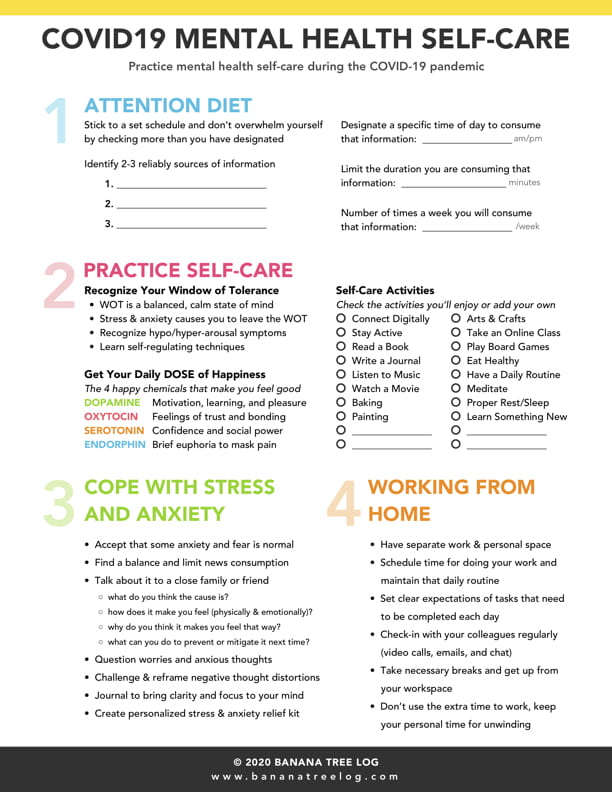
Image from bananatreelog.com

  • Go for a 10-minute walk, if it is safe to do so 
    • Reflect on how ‘This guide can give you some tips to remain calm and practice self-care to maintain your mental health.
  • Writing a small paragraph reflection for 10 minutes
  • DELETE ALL OF MR. LE DUC’s INSTRUCTIONS, AFTER YOU ARE DONE

CONCERT

  • Listen to a song of your choice, for the analysis blog post this week

WHAT I LEARNED and PROBLEMS I SOLVED

  • Write only a few sentences of WHAT YOU LEARNED
  • In one or two sentences, describe a PROBLEM YOU SOLVED
  • DELETE ALL OF MR. LE DUC’s INSTRUCTIONS, AFTER YOU ARE DONE

WEEKLY ACTIVITY EVALUATION

  • Give feedback on this week’s class Content and Process
  • DELETE THIS WHOLE SECTION, AFTER YOU ARE DONE

Film Analysis Worksheet: TEMPLATE

Summary

  • IN ONE TO TWO SENTENCES, DESCRIBE WHAT FILM YOU ANALYZED FOR THIS PROJECT AND WHY YOU CHOSE IT
  • DELETE ALL OF MR. LE DUC’s ALL UPPERCASE INSTRUCTIONS ABOVE

Film Analysis

Film Title
PLACE YOUR RESPONSES IN THIS COLUMN (DELETE THIS MESSAGE BEFORE YOU WRITE)
Year
Director
Country
Genre
If you could work on this film (change it), what would you change and why?

Film information can be found at imdb.com

As you view films, consider how the cuts, camera angles, shots, and movement work to create particular meanings. Think about how they establish space, privilege certain characters, suggest relationships, and emphasize themes. In addition to shot distances, angles, editing, and camera movement, note details of the narrative, setting, characters, lighting, props, costume, tone, and sound.

Ask yourself the following questions:

TOPIC YOUR NOTES
1. Who is the protagonist?
2. Who is the antagonist?
3. What is the conflict?
4. What is the theme or central, unifying concept? (summarize in one or two words)
5. How is the story told (linear, non-linear, with flashbacks, flash-forwards, at regular intervals)
6. What “happens” in the plot (Brief description)?
7. How does the film influence particular reactions on the part of viewers (sound, editing,
characterization, camera movement, etc.)? Why does the film encourage such
reactions?
8. Is the setting realistic or stylized? What atmosphere does the setting suggest? Do particular objects or settings serve symbolic functions?
9. How are the characters costumed and made-up? What does their clothing or makeup reveal about their social standing, ethnicity, nationality, gender, or age? How do costume and makeup convey character?
10. How does the lighting design shape our perception of character, space, or mood?
11. How do camera angles and camera movements shape our view of characters or spaces? What do you see cinematically?
12. What is the music’s purpose in the film? How does it direct our attention within the image? How does it shape our interpretation of the image? What stands out about the music?
13. How might industrial, social, and economic factors have influenced the film? Describe how this film influences or connects to a culture?
14. Give an example of what a film critic had to say about this film. Use credible sources and cite sources.

Example: “The Shawshank Redemption Movie Review (1994) | Roger Ebert.” All Content. N.p., n.d. Web. 24 June 2015.

15. Select one scene no longer than 5 minutes that represents well the whole film and shows relevant cinematic elements. Write a one-sentence description of the scene and record the time of the scene.

Example: from 1:05:00 to 1:10:00.

Explain why you chose this scene.

PLACE THE TIME STAMP FROM THE SCENE HERE… Example: 00:00:00 – 00:05:00


16. In the selected scene: write a sentence for each of the elements below to justify why this scene best represents the film:
a. Screenwriting:
b. Sound Design:
c. Camera Movements/Angles:
d. Light Setup:
e. Soundtrack/Score:
18. What’s the socio-cultural context of this film?

This worksheet was developed with ideas from many IB Film teachers, thus should remain in the Creative Commons

Mr. Le Duc’s Film Analysis Resources

School of Rock – Day 12 – Collaboration and Growth – Part 2

RESOURCES FOR THE CLASS

SUMMARY

Write your daily summary last, at the end of the day, here… Only one to two sentences.

DELETE ALL OF MR. LE DUC’s INSTRUCTIONS DETAILED ABOVE AFTER COMPLETING THEM\

PRACTICE ROOM (LESSONS) 8:30-9AM

Atomic Habits Resources continued

      • Read How to Create a Good Habit and fill in the Implementation Intention Template with your own habit intention from James Clear’s Atomic Habits
      • Read Habit Stacking and fill in the Template with your own habit stack from James Clear’s Atomic Habits
      • Read Chapter 3: How to Build Better Habits in 4 Simple Steps from James Clear’s Atomic Habits
      • Read Chapter 2: How Habit Shapes Your Identity from James Clear’s Atomic Habits

Write a few key things you learned and which videos you learned from today.

Check out Paul David’s 5 great exercises for your practice routine!

Write a few key things you learned and which videos you learned from today.

DELETE ALL OF MR. LE DUC’s INSTRUCTIONS DETAILED ABOVE AFTER COMPLETING THEM\

CLASSROOM (THEORY & ANALYSIS) 9-9:45AM

Listen to the arrangement, mixing, and production of U2’s Demo of the song Twilight and the album version of Twilight.

Write a reflection on the key differences that grabbed your attention.

Watch Max Martin’s Behind the data: the secret to songwriting

Watch What Makes This Song Great? Ep.18 MAX MARTIN

Write a reflection on the key topics that got your attention about Max Martin and his process.

Watch This Video is So Boring, You Probably Won’t Even Make it Through

Write a reflection on the key topics.

DELETE ALL OF MR. LE DUC’s INSTRUCTIONS DETAILED ABOVE AFTER COMPLETING THEM

OUTSIDE (INSPIRATION / IDEAS) 9:45-10:15AM

Watch Sleep is your superpower

Journal here. The more detail, the better.

DELETE ALL OF MR. LE DUC’s INSTRUCTIONS DETAILED ABOVE AFTER COMPLETING THEM\

LAB (THEORY PRACTICED) 10:15-11:15AM

Work on the collaborative composition.

Write what you focused on during this time.

DELETE ALL OF MR. LE DUC’s INSTRUCTIONS DETAILED ABOVE AFTER COMPLETING THEM\

LUNCH 11:15-11:45AM

STUDIO (SONGWRITING) 11:45-12:45PM

Prepare a mix in Soundtrap, someone from your team shares it with Mr. Le Duc and Mr. Disston in Soundtrap, AND export an MP3 and place it in the STAGE section below.

DELETE ALL OF MR. LE DUC’s INSTRUCTIONS DETAILED ABOVE AFTER COMPLETING THEM

CONTROL ROOM (RECORDING & MIXING) 12:45-1:45PM

Soundtrap Exporting and Mixing Resources

Prepare a mix in Soundtrap, have someone from your team share it with Mr. Le Duc and Mr. Disston in Soundtrap, and export an MP3 and place it in the STAGE section below.

Write a reflection on what you did during this time frame.

DELETE ALL OF MR. LE DUC’s INSTRUCTIONS DETAILED ABOVE AFTER COMPLETING THEM\

OUTSIDE (INSPIRATION / IDEAS) 1:45-2PM

Listen to Freakonomics – Where Does Creativity Come From (and Why Do Schools Kill It Off)? (Ep. 355)

Read what WYNTON MARSALIS tells his music students when they join his class…

    • “The first thing I have my students do is write a mission statement. And that mission statement has three sentences. What do I want to do, how do I achieve it, and why am I doing it? And based on that mission statement, I teach them. And I have, my fundamental teaching to them is, I want you to rise above the cycle of punishment and reward. I’m not going to reward you or punish you. This is information, and you can do what you want with this information. So, you’re always actualizing. And I always tell them, if you want to learn something I can’t stop you. If you don’t want to learn it, I cannot teach you.”

Go for a walk and think about what this podcast meant to you.

Journal here about that. The more detail, the better.

DELETE ALL OF MR. LE DUC’s INSTRUCTIONS DETAILED ABOVE AFTER COMPLETING THEM\

STAGE (SHARE) 2-2:30PM

Listen to a few mixes from class projects, so far…

DELETE ALL OF MR. LE DUC’s INSTRUCTIONS DETAILED ABOVE AFTER COMPLETING THEM

FINAL PROJECT ACTIVITY UPDATE

Final Rubric (Google Docs) (20 Points)

Write a couple of sentences as an update about what you completed on your ‘afternoon’ song project in this blog post section.

DELETE ALL OF MR. LE DUC’s INSTRUCTIONS DETAILED ABOVE AFTER COMPLETING THEM

WHAT I LEARNED and PROBLEMS I SOLVED

Tell your daily story here!  Highlight what you learned and enjoyed most, and at least one problem you solved. Problem-solving is one of the most important skills you need in life. Employers want to know HOW you get stuff done as much as WHAT you get done.

DELETE ALL OF MR. LE DUC’s INSTRUCTIONS DETAILED ABOVE AFTER COMPLETING THEM\

TODAY’s ACTIVITY EVALUATION

  • Give feedback on the class Content and Process
    • Participation will be part of your leadership project due at the end of the course
  • Fill in the Daily Activity Evaluation

THEATER (DOCUMENTARY & HISTORY) 2:30-3PM

Finish RUMBLE: THE INDIANS WHO ROCKED THE WORLD